
ADA Compliance Signage: What Every Multi-Tenant Property Needs
ADA signage is one of those requirements that’s easy to overlook until it’s flagged in an inspection or a complaint — and multi-tenant properties, with more common areas and more turnover, have more places for it to slip.
This isn’t legal advice, and requirements can vary by jurisdiction and building type — treat this as a starting point, and confirm specifics with a compliance professional or your local building authority before finalizing signage.
What ADA Signage Requirements Generally Cover
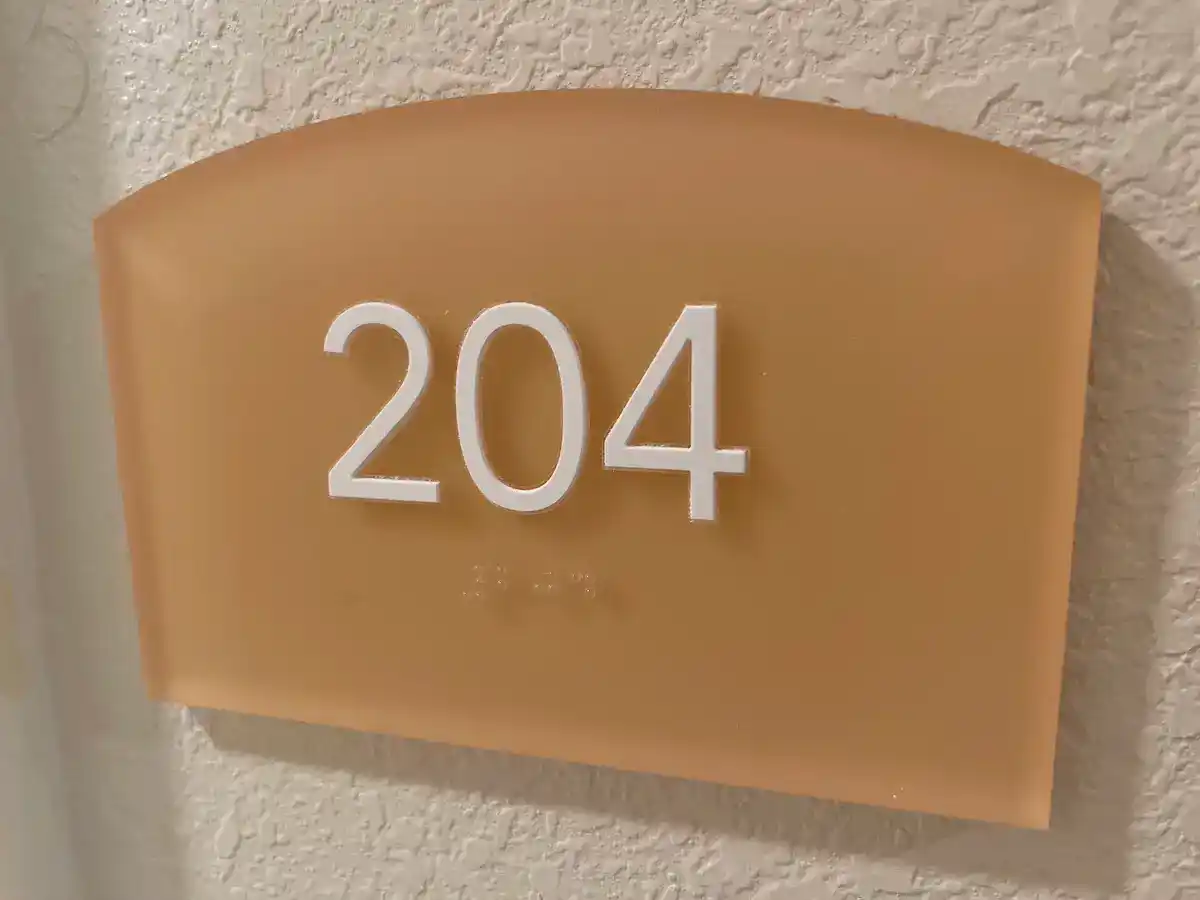
- Room and suite identification signs, including tactile characters and Braille where required.
- Means-of-egress signage marking accessible exits and routes.
- Character height, contrast, and mounting height requirements for permanent room signs.
- Accessible parking and common-area directional signage.
TESTIMONIALS
They always go the extra mile to make sure the final product represents your business in the best way possible. They have exceptional service paired with fantastic creativity!
What a fantastic group of people to work with! We use Eye 4 Group for all of our sign and decal work. They are quick and their work is 2nd none. Give them a call if you are looking to have some work done!
Why This Matters Beyond the Compliance Checkbox
ADA signage isn’t just a liability item — it’s part of whether a visitor or tenant can actually navigate and use the property. Getting it right is also getting the wayfinding right for everyone.
Building ADA Signage Into Your Wayfinding Plan
The properties that handle this well treat ADA signage as part of the same plan as monument signs and wayfinding, not a separate afterthought bolted on later. When we design a wayfinding system for a multi-tenant property, accessible signage is part of that system from the start.

Who’s Responsible for ADA Signage in a Multi-Tenant Property
ADA signage obligations in a multi-tenant building don’t automatically fall on one party. Common areas — lobbies, shared restrooms, parking, means of egress — are typically the property owner’s or property manager’s responsibility, while signage inside a leased suite often falls to the tenant doing the build-out. Lease language doesn’t always spell this out clearly, which is how rooms end up with mismatched or missing signage long after a tenant turnover.
What Triggers an ADA Signage Review
- A new tenant build-out or suite renumbering that requires updated room identification signs.
- A complaint filed with the property, which can prompt a broader signage audit, not just a fix to the one sign in question.
- A renovation or permit application, which often requires bringing existing signage up to current code as part of the scope.
- A change in occupancy type for a suite, which can change which signage requirements apply.
Common Signage Mistakes in Multi-Tenant Buildings
The most frequent issues we see are tactile characters and Braille added to the wrong sign type, inconsistent mounting heights from suite to suite, and signage that was updated for one tenant but never matched across the rest of the property. None of these are hard to fix on their own, but they add up when a property has dozens of suites and years of piecemeal updates behind it.
Properties that stay ahead of this treat ADA signage as part of standard turnover and renovation checklists rather than a one-time project. The ADA National Network publishes guidance on accessible signage requirements that’s a useful reference when scoping a property-wide review. Walking the property with that guidance in hand before a permit application goes in is usually faster and cheaper than correcting signage after an inspector flags it.
Reviewing Your Property’s Signage?
See our ADA-compliant signage options or talk to us about building compliance into a broader wayfinding plan for your property. Call 317-804-4080 for a free consultation.